Basement Waterproofing in Cleveland, OH
Water on the basement floor of a home in Cleveland, OH can come from several places. Tell us what you are seeing and the request goes to one independent local contractor, who visits, explains the likely source and puts an estimate in writing. This free referral service is not a contractor and does no basement work.
Prefer to talk? Call now(216) 555-0173Not sure if we cover your area? Check now ↓
Basement Estimate Request
Takes 30 seconds, or call (216) 555-0173
Your details go to one independent contractor who works around Cleveland, OH, and that contractor calls you directly. See our Referral Marketing Disclosure.
A Clear Path to a Dry Basement in Cleveland
About half of the city's homes went up before 1940, many on heavy lakeside soil. A weeping wall might trace back to a clogged gutter, poor grading, a crack or a worn-out pump. Telling them apart means standing in the basement, so every request here leads to a contractor's visit and a written estimate.
Basement Waterproofing Cleveland OH is only the go-between. It holds no City of Cleveland contractor registration, does not quote, bid or sign anything, and stays out of insurance matters. Contractors may pay this site to advertise, which is a free trial for now. Homeowners are never charged and are never handed anything for asking.
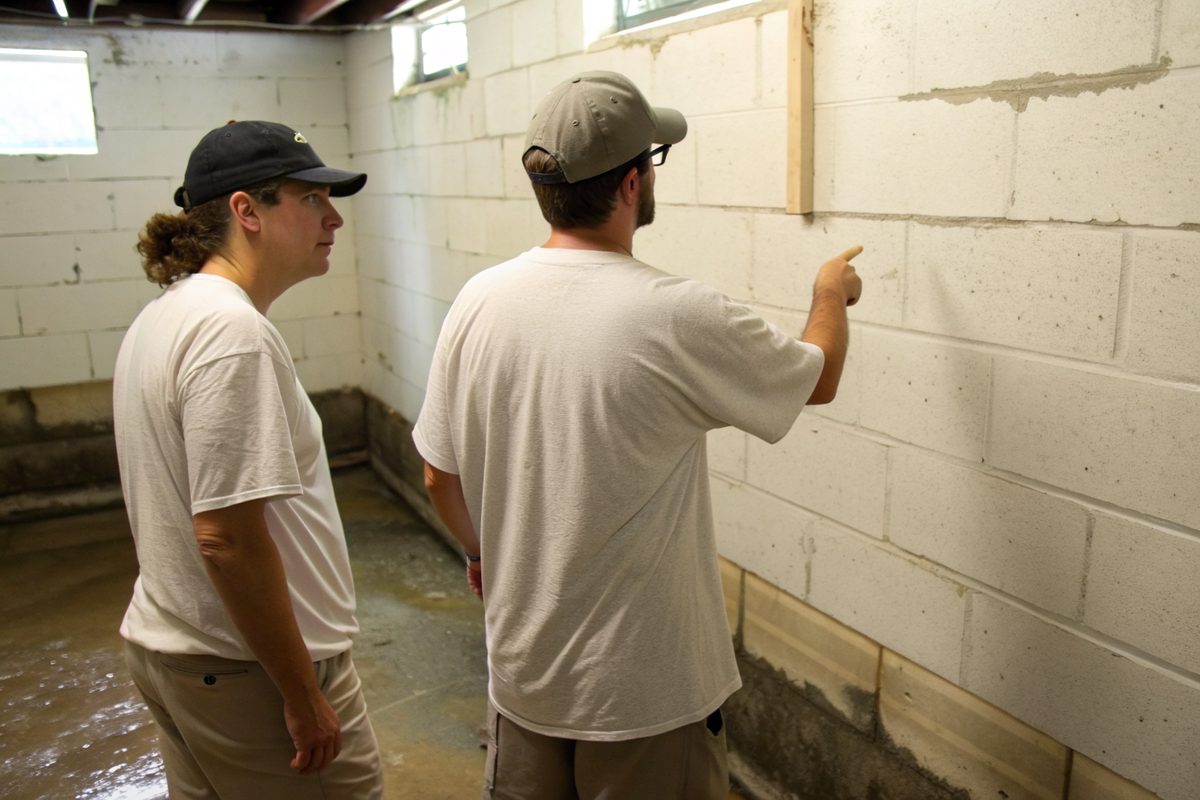
What Happens After You Reach Out
- Describe the water. Call (216) 555-0173 or fill in the short form with your address and where the damp shows up.
- One contractor hears about it. A single independent company working around Greater Cleveland gets your details, and nobody else does.
- The contractor comes out. They look at the walls, the slab, the gutters and the grade, then tell you what they think is happening.
- You read the plan on paper. Study the written estimate, confirm the company's registration with your city, and decide in your own time.
Services Homeowners Ask About Most
Nearly every wet-basement job here falls into one of five kinds of work.
What a Leaking Basement Looks Like
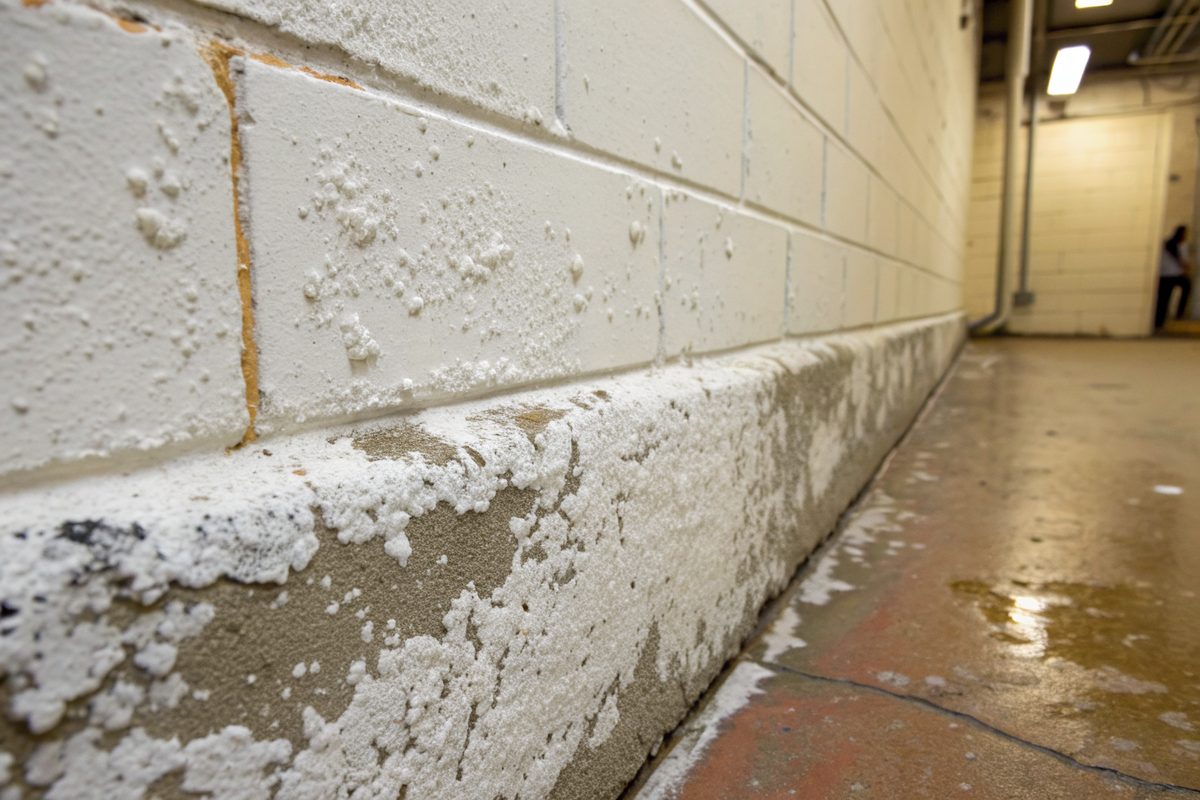
- A dark band at the base of the wall. Moisture along the floor joint after rain, often with a musty odor, usually means water is pushing in from outside.
- White, powdery streaks. Water seeping through block or concrete leaves minerals behind as it dries.
- Cracks that stay damp. A wet crack is an entry point. A horizontal crack or an inward-leaning wall is worth having looked at soon.
- A sump pump that hardly rests. Constant cycling, or a pump that has quit, can mean more water than it was sized for.
- Water rising from a floor drain. That usually signals a sewer backup rather than seepage.
Sort Out Where the Water Comes From
Five short questions feed the wet basement checker, which suggests one of three next steps. It diagnoses nothing, but it gives you clear words for the contractor's call.
What Spring Thaw Does Below Grade
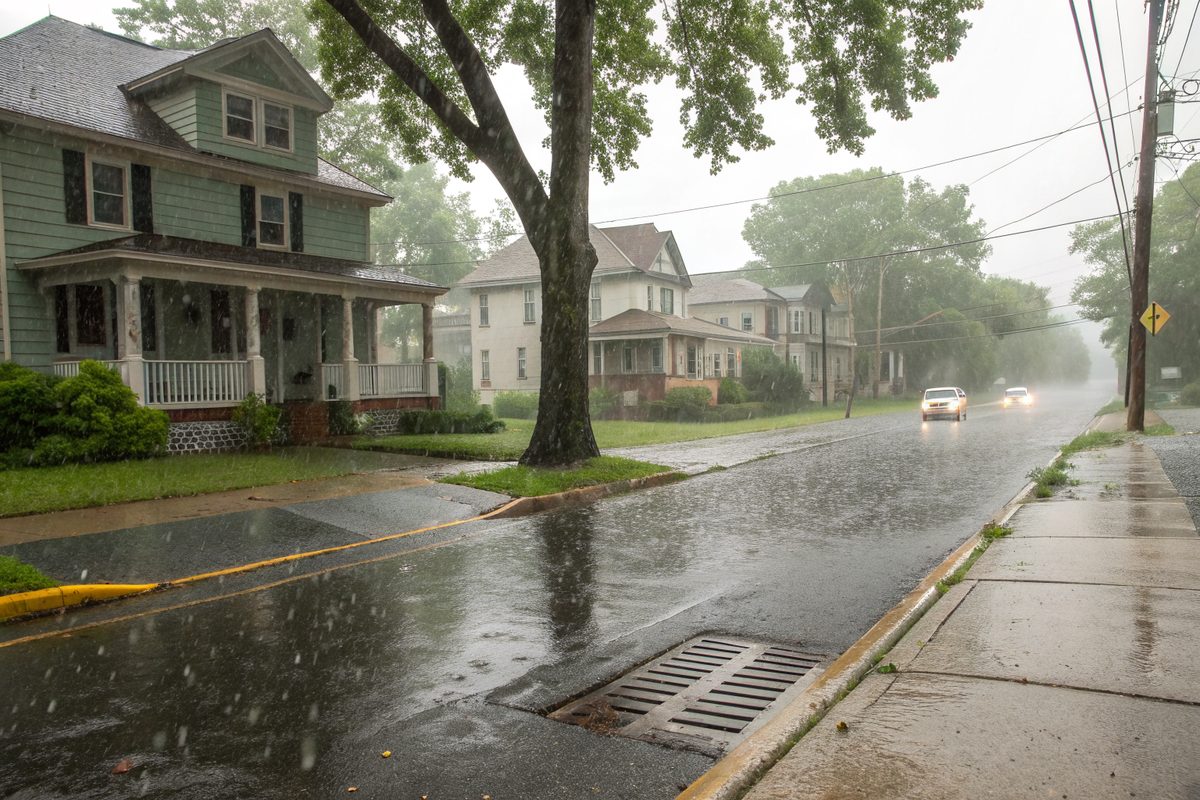
Late winter is when many homes here first show water. Lake-effect snow melts over ground that can still be frozen, so meltwater drifts toward the foundation. The Ohio Department of Natural Resources describes silt and clay on the Lake Plain in northern Cuyahoga County, and clay can hold that water against a wall.
Storms add more. The National Weather Service names 2011 as Cleveland's wettest year on record, at 65.32 inches, over 26 inches above normal. Its June 2006 records show a cloudburst of 5 to 6 inches within two hours across sections of Cuyahoga and Summit counties; nearly 3,600 Cuyahoga County homes were reported damaged.
Water rising from a floor drain is a different matter. Before any plumber, the City's Water Pollution Control (216.664.2513) can investigate the public sewer. Many older neighborhoods have combined sewers that can back up in a downpour, and the regional sewer district (NEORSD) treats most basement flooding as the owner's job. Ask the City before hooking a sump or downspout to anything.
Cost Ranges Before You Call
These are Fixr's 2026 national numbers, not a Cleveland price list; your figure depends on your walls.
| Cost row | Figure | Source (year) |
|---|---|---|
| Typical basement waterproofing project | about $3,000 to $10,000 (average about $5,000) | Fixr national (2026) |
| Interior perimeter drain, per linear foot | $40 to $120 | Fixr national (2026) |
| Sump pump installation | $600 to $2,500 | Fixr national (2026) |
| Epoxy crack injection, per crack | $250 to $1,000 | Fixr national (2026) |
| Waterproof paint or sealant, per sq ft | $1 to $8 | Fixr national (2026) |
The cost guide covers what moves a price, and the calculator below turns basement size into a rough range.
Reasons Cleveland Homeowners Use This Service
- Explain it once. You describe the problem one time, to one company, instead of repeating it to a string of strangers.
- A plan you can reread. The estimate comes in writing, with the scope, drain length and pump model there to compare.
- No cost to you. Contractors may pay this site for advertising. Homeowners pay nothing and receive nothing.
- You do the checking. This site vouches for nobody. Call 216.664.2910 to confirm a City of Cleveland registration, or ask your suburb's building department.
Areas Covered Near Cleveland
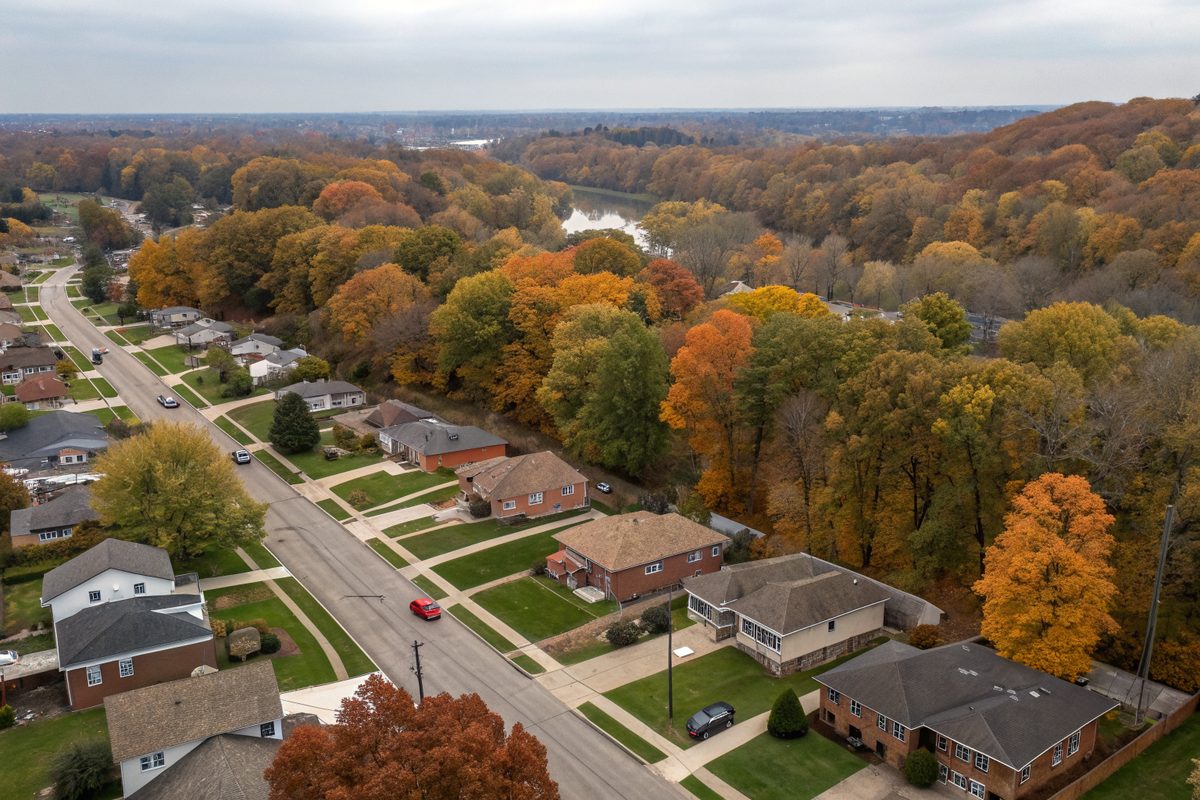
Requests are welcome from every corner of the city, from Old Brooklyn on the south side to Collinwood near the lake. East of town, Cleveland Heights, OH has its own page, as do the western suburbs of Westlake, OH and North Olmsted, OH, plus Strongsville, OH and Parma, OH to the south.

Older Homes, Newer Subdivisions
Cleveland has about 363,600 residents (Census, 2025 estimate). Roughly 42% of its homes are owner-occupied, the median owner home value is $102,000, and older census data dates about half the housing before 1940. The suburbs differ: owner rates run from about 58% in Cleveland Heights, OH to about 82% in Strongsville, OH.
Answers Before You Call
Will anyone from this site come to my house?
No. This site's role ends once your request reaches one independent local contractor. It never visits, looks over or prices a basement. The contractor who calls sets up the visit, writes the estimate and does any work you agree to.
Is water from a floor drain a waterproofing problem?
Usually not. Water or sewage rising through a floor drain points to a sewer backup, while seepage comes through walls and the slab. Inside the city, Water Pollution Control (216.664.2513) can look into the public sewer. In a suburb, call your own city's service department.
Will my homeowners policy pay for a wet basement?
It depends on the policy. Seepage from groundwater is left out of many homeowners policies, and protection against sewer backups is frequently a paid extra. Read your policy and ask your agent. This site has nothing to do with insurers and can't say what any policy covers.
How do I check a contractor before hiring?
Confirm its City of Cleveland Certificate of Registration at 216.664.2910, or with your suburb's building department. Ask for proof of liability insurance and workers' comp. Plumbing or sewer work belongs with a licensed plumber, and the contract should list the drain's route and length and the pump model.
Does basement waterproofing need a permit in Cleveland?
Alterations and all plumbing need City permits, and work on sewer or drainage piping never counts as a minor repair. The City publishes nothing on drains or sumps by themselves, so the contractor confirms permits with the City of Cleveland. Settle in writing who pulls them.
Ready for a Written Estimate?
Phone or send the short form when it suits you. One independent contractor will arrange a visit, and the choice after the estimate is yours.