Foundation Crack Repair in Cleveland, OH
Most basement walls in Cleveland, Ohio pick up a few cracks over the decades, and plenty of them only ever let in a trickle. This free referral service sends your request to one independent local contractor, who visits, measures what's there and lays out repair choices and a price in writing.
Prefer to talk? Call now(216) 555-0173Not sure if we cover your area? Check now ↓
Basement Estimate Request
Takes 30 seconds, or call (216) 555-0173
Your details go to one independent contractor who works around Cleveland, OH, and that contractor calls you directly. See our Referral Marketing Disclosure.
Sealing Cracks in Basement Walls
The repair depends on the wall. Poured concrete often shows thin vertical or diagonal shrinkage cracks, usually sealed by injection: ports go along the crack, then epoxy or polyurethane is pumped in until it fills the gap. Epoxy bonds the two sides; polyurethane stays slightly flexible and is often picked just to stop water.
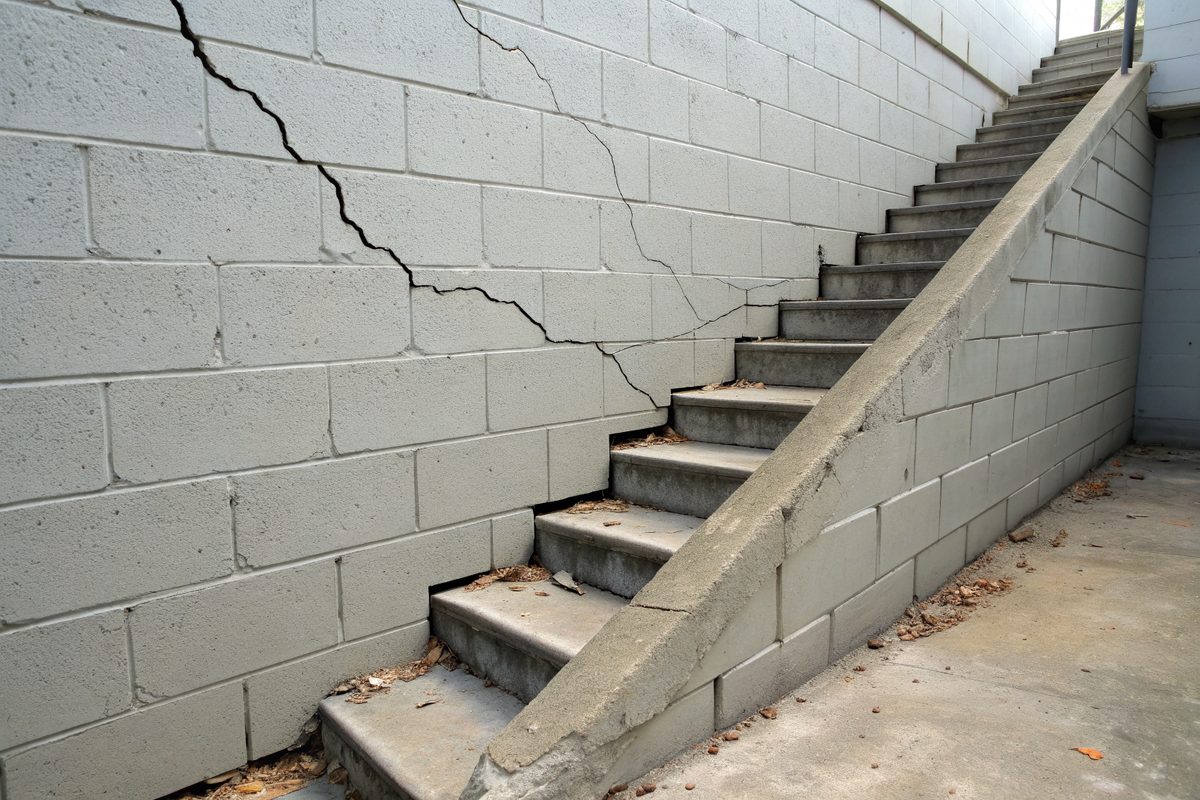
Block, brick and stone behave differently. Their weak spots are mortar joints, so cracks follow them in a stair-step line. Injection suits hollow block or loose rubble poorly; the usual fix is repointing, raking out old mortar and packing in new. With about half of Cleveland's homes built before 1940, per older census data, these walls are common here.
Soil and seasons add stress. Near the lake, state geologic mapping shows silt and clay at the surface, and wet clay can press on a foundation. Freeze-thaw cycles and spring snowmelt can open small gaps further. A crack that weeps after rain is mostly a water issue; one that keeps growing is a different conversation.
Where Foundation Crack Repair Fits
- Hairline cracks in poured walls. Injection from inside, often finished in a single visit with no digging.
- Stair-step cracks in block or brick. Repointing the open joints and sealing the face, sometimes paired with drainage.
- Weathered stone foundations. Replacing crumbled mortar between stones so water and soil stop washing in.
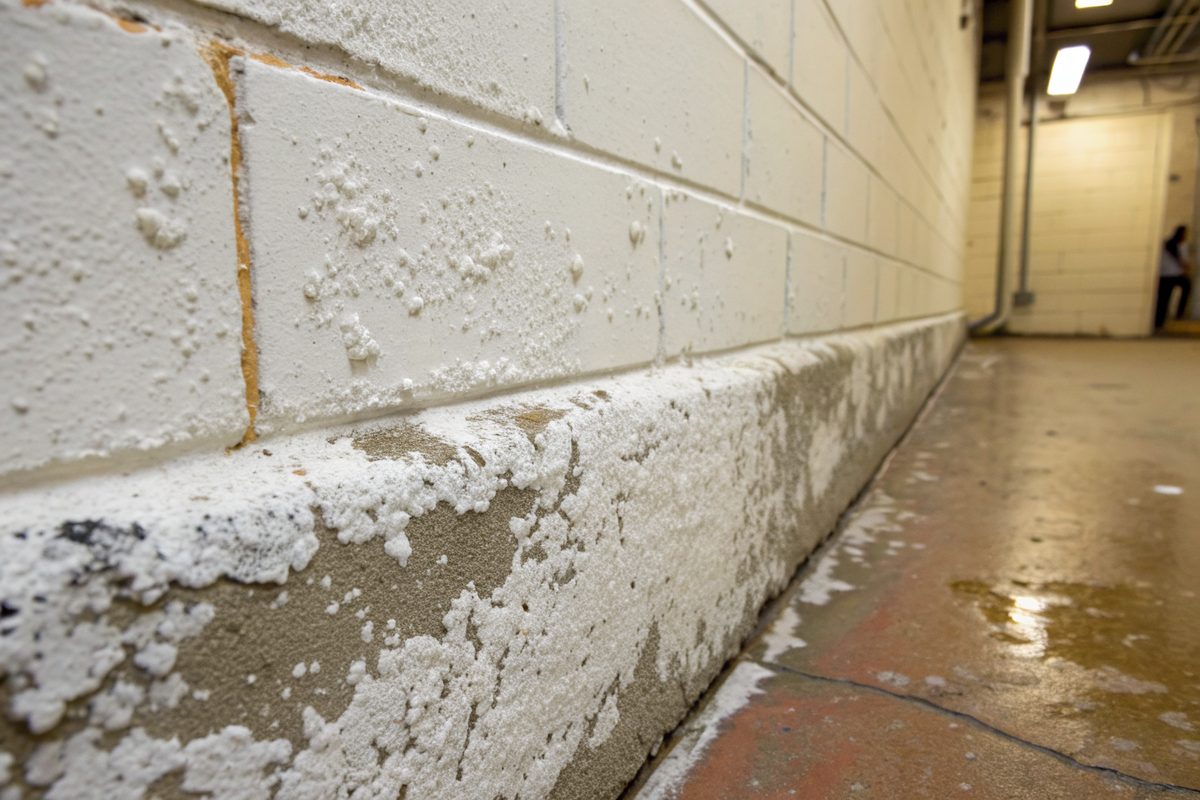
- Cracks that only leak. Sealing the opening, plus a look at gutters and grading that send water to that spot.
- A horizontal crack. A long crack running sideways along a block or poured wall is worth having looked at soon.
- A wall that leans or bows. Any inward bulge deserves a closer look before you choose a simple seal.
- A crack that keeps widening. If a mark you made last season no longer lines up, mention it when you ask for an estimate.
Typical Price Ranges
| Cost row | Figure | Source (year) |
|---|---|---|
| Typical basement waterproofing project | about $3,000 to $10,000 (average about $5,000) | Fixr national (2026) |
| Interior perimeter drain, per linear foot | $40 to $120 | Fixr national (2026) |
| Sump pump installation | $600 to $2,500 | Fixr national (2026) |
| Epoxy crack injection, per crack | $250 to $1,000 | Fixr national (2026) |
| Waterproof paint or sealant, per sq ft | $1 to $8 | Fixr national (2026) |
Most crack jobs land on the injection row, a national per-crack figure rather than a price from this site. Repointing has no sourced figure here, and bracing or rebuilding a wall sits outside these rows, so ask for those as separate lines. The cost guide covers what moves the total.
How a Contractor Approaches It
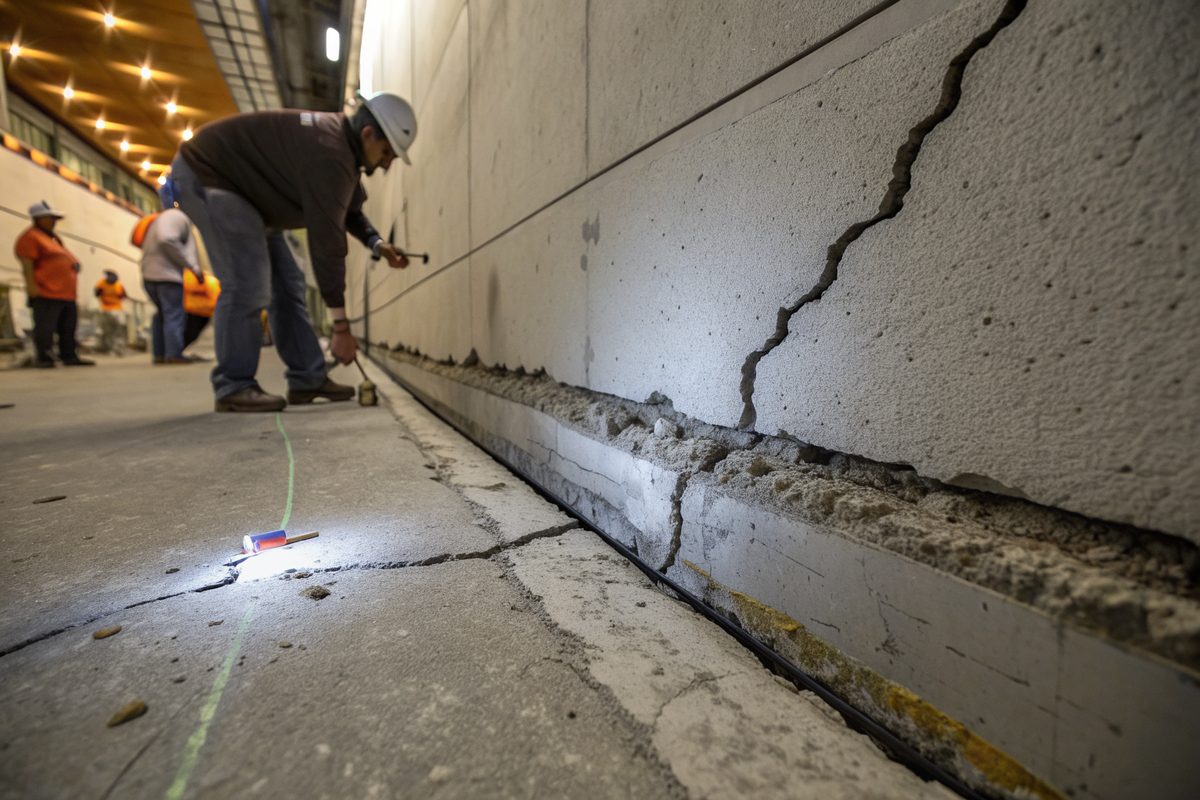
- Note what you see. Photograph each crack with a tape measure beside it and write down the date.
- Reach out once. Your details go to one independent local contractor.
- Look at wall and yard. Expect questions about wall type, when water appears and where downspouts empty.
- Get the method in writing. The estimate should name each crack, the repair method, the material and the warranty terms.
- Confirm permits. Structural work such as bracing or rebuilding a wall needs City of Cleveland permits; ask the contractor to confirm what applies at your address.
- Recheck after rain. Look at the sealed crack after the next heavy storm and again after a winter.
Why Request It Here
One request keeps it simple, and the contractor handles measuring and pricing. This site is a free referral service and not a contractor: it holds no City of Cleveland contractor registration, never visits, never quotes and never signs anything. Contractors may pay this site for advertising; homeowners never pay and never receive anything. Call the City's Building & Housing line at 216.664.2910 to confirm a contractor's registration, ask for proof of liability insurance and workers' comp, and avoid paying the whole price before work starts.
Answers Before You Call
Are all foundation cracks a problem?
No. Many thin vertical cracks in poured walls come from shrinkage as the concrete cured and never do more than let in a little water. Sideways cracks, bulging walls and widening cracks are the ones worth having looked at soon.
Epoxy or polyurethane injection, which is better?
Each has a job. Epoxy is stiff and bonds the crack's two sides, while polyurethane expands and stays flexible, which suits cracks that only need to stop water. Ask which one the contractor plans to use, and get it written into the estimate.
Can a crack in a stone foundation be injected?
Usually not well. Stone and rubble walls have loose joints and voids that swallow injected material. Repointing the mortar, and often adding drainage to ease water pressure, is the more common route for these older walls.
Will I need a permit?
It depends on the work. Sealing a crack may not need one, but Cleveland requires permits for alterations, and work on structural supports is never treated as a minor repair. The contractor confirms permits with the City's Building & Housing department at 601 Lakeside Avenue.
See Also
If a crack is one of several wet spots, read about basement leak repair, basement drainage and full basement waterproofing, or use the wet basement checker to sort out the likely cause.
Next Step: A Crack Repair Estimate
Send a short note about the crack, its length and when it lets water in. One independent local contractor will contact you about a visit and a written estimate, and hiring anyone is up to you. To talk first, call (216) 555-0173.